Africa importers buy from China in many ways: direct factory orders, trading companies, logistics-forward agents, and marketplace enquiries. Yiwu fits best when the buyer wants category breadth, mixed assortments, or project-based procurement instead of one SKU from one factory. This guide explains how to source from Yiwu in a way that matches African retail and distribution realities.
It covers product selection, quantity planning, supplier comparison, quality control, mixed-container consolidation, documentation, and arrival planning for markets such as Kenya, Nigeria, Tanzania, South Africa, UAE, and others.
1. Start from your sales channels, not just product photos
Choose categories based on how your customers buy. Supermarkets need shelf-ready packaging, barcodes, and repeatable SKUs. Distributors care about carton efficiency, price ladders, and replenishment lead times. Online sellers need compact parcels, photography-friendly products, and stock reliability. Dropshippers and small retailers often need lower MOQ and mixed assortments more than the lowest factory price.
2. Plan MOQ and landed cost together
MOQ is only one part of the cost. Packaging, carton quantity, weight, volume, inspection, freight, customs, duties, and destination handling all affect the final landed cost. A cheap-looking product with bulky packaging can be more expensive per unit than a slightly higher-priced compact item.
For many Africa buyers, mixed containers improve unit economics. By combining camping gear, toys, beauty accessories, household goods, stationery, and kitchenware, buyers can use container space better while keeping a broader assortment.
3. Inspect before you ship
Quality issues are more expensive after arrival than before loading. Build a short inspection checklist for each product group: quantity, packaging, appearance, function, labels, barcodes, assortment, and carton condition. Use an approved sample or written specification as the reference.
If you are buying into multiple markets with different regulatory requirements, flag regulated products early. Electrical items, batteries, children’s products, cosmetics, and products with safety claims may need destination-specific documentation.
4. Prepare documents for African customs clearance
Documents are part of the product, not an afterthought. Confirm commercial invoice details, packing list accuracy, HS codes, country of origin, certificate of origin, and any product-specific certificates before the container leaves China. Incomplete documents cause demurrage, inspection holds, and delayed stock.
Work with a customs broker or freight forwarder who knows your destination port and product mix. Different African markets have different requirements, and assumptions from one route do not always apply to another.
5. Use repeat orders to improve the assortment
The first order is mainly for learning. Track which SKUs sold, which margins held, which packaging worked, and which products generated repeat enquiries. Use that feedback to refine the next order instead of repeating the same container.
Examples from our current wholesale catalogue
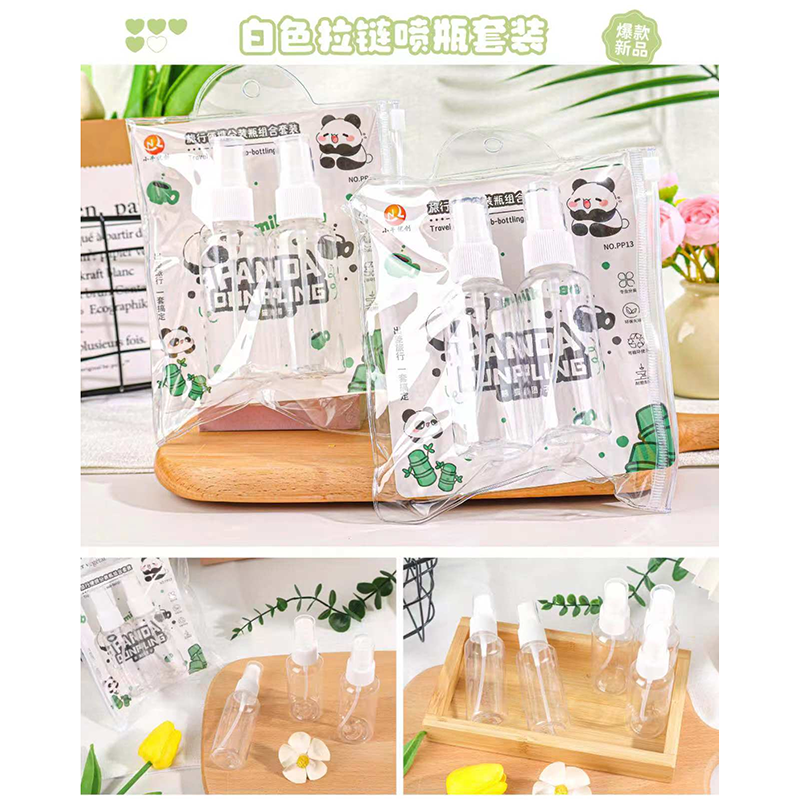
The products below are examples from the live Yiwu Trade Link catalogue. Availability, packaging, minimum order quantity, and buyer pricing should always be reconfirmed before ordering.


How Yiwu Trade Link supports Africa importers
We help buyers shortlist products, compare suppliers, confirm MOQ and packaging, coordinate samples, arrange inspection, consolidate mixed shipments, and prepare export documentation. Browse our wholesale catalogue or send an RFQ with your target categories, quantities, destination, and preferred shipping method.